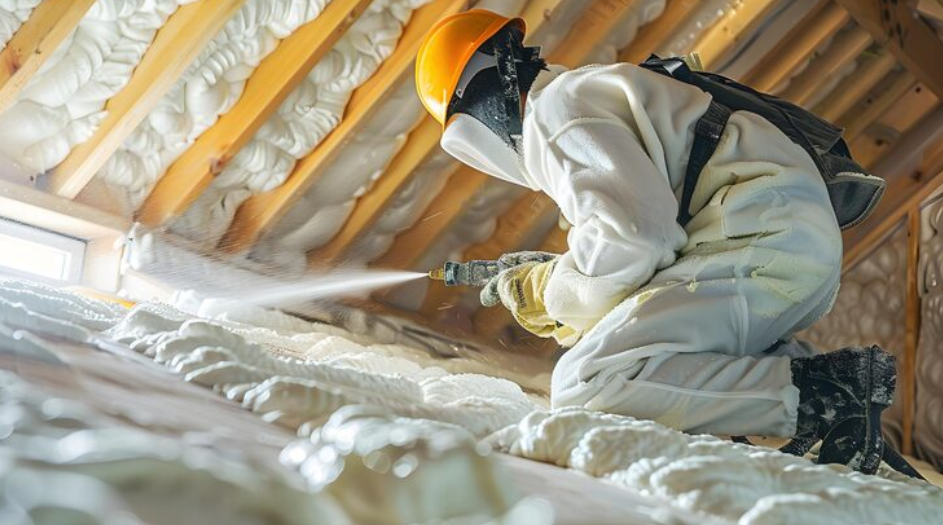
Energy efficiency is an important part of creating a comfortable and cost-effective home. A well-insulated house can stay warmer during cold weather and cooler during hot weather, reducing the need for constant heating and cooling. Spray foam insulation is one option that can help improve a home’s insulation performance by creating a strong barrier between the indoor and outdoor environments.
What Is Spray Foam Insulation?
Spray foam insulation is a material that is applied as a liquid and expands to fill spaces, gaps, and small openings. As it expands, it creates an insulating layer that can help reduce unwanted air movement. This makes it useful for areas where traditional insulation may leave small gaps.
Because spray foam insulation can expand into difficult-to-reach spaces, it can provide more complete coverage around walls, ceilings, attics, and other parts of a home. Proper installation is important to achieve consistent results and long-term performance.
Reducing Unwanted Air Leakage
One of the main ways spray foam insulation can support energy efficiency is by reducing air leakage. Small cracks and gaps around windows, doors, walls, pipes, and electrical openings can allow outdoor air to enter and conditioned indoor air to escape.
When these gaps are sealed with spray foam insulation, the home can maintain a more stable indoor temperature. This means heating and cooling systems may not need to work as frequently to maintain the desired level of comfort.
Helping Maintain Indoor Comfort
Temperature changes inside a home can sometimes be caused by poor insulation and air movement. Rooms near an attic, roof, exterior wall, or other poorly insulated areas may feel warmer or colder than the rest of the house.
Spray foam insulation can help create a more consistent thermal barrier. By limiting heat transfer and unwanted air movement, it can contribute to more even indoor temperatures. This can make living spaces more comfortable throughout different seasons.
Supporting Heating and Cooling Efficiency
Heating and cooling systems use energy to maintain a comfortable indoor temperature. When a home loses conditioned air through gaps or allows too much outdoor air to enter, these systems may need to operate more often.
Using spray foam insulation as part of an overall insulation strategy can help reduce these unwanted energy losses. With better insulation and air sealing, heating and cooling equipment can have an easier time maintaining indoor conditions. Over time, this may contribute to more efficient energy use.
Choosing the Right Areas for Insulation
Different areas of a home can benefit from improved insulation and air sealing. Attics, crawl spaces, exterior walls, and areas around pipes or wiring are common locations where air gaps may occur.
Before installation, the home’s existing insulation and structure should be assessed. A professional can identify areas that may need attention and determine where spray foam insulation is appropriate. Correct preparation and application can help ensure the material performs as intended.
Conclusion
Improving energy efficiency involves more than simply using less energy. It also means creating a home that can maintain comfortable indoor conditions without unnecessary energy loss. Spray foam insulation can help by filling gaps, reducing air leakage, limiting heat transfer, and supporting the efficient operation of heating and cooling systems. With proper planning and professional installation, it can be a useful part of a well-insulated and comfortable home.