Being involved in a road accident can be disruptive, particularly when the incident was caused by another party. Beyond the immediate inconvenience, drivers are often left dealing with vehicle damage, uncertainty, and questions about the repair process. Professional Non Fault Accident Repairs Essex services help restore damaged vehicles while supporting a structured approach to post accident repair.
What Is a Non Fault Accident
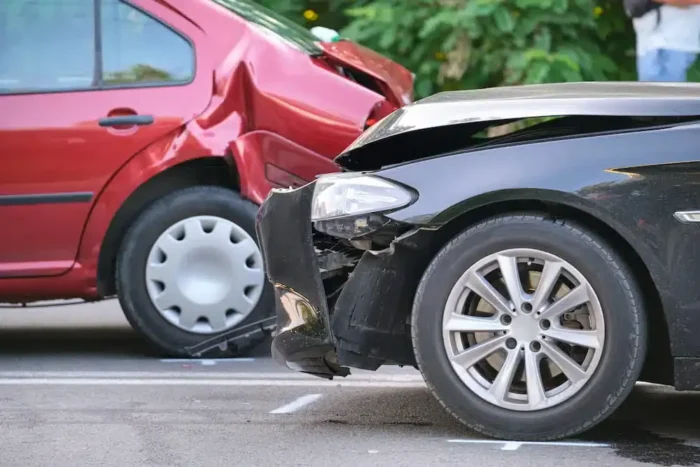
A non fault accident generally refers to a situation where another road user is considered responsible for the incident. This can include rear end collisions, junction impacts, parking incidents, or other scenarios where liability rests elsewhere.
While the cause may be clear in some situations, the repair process still requires careful handling. Vehicle condition must be assessed properly, and repairs should be completed to a suitable standard regardless of the severity of the damage.
Immediate Considerations After Vehicle Damage
Once an accident has occurred, the first concern is always safety. After that, attention turns to the condition of the vehicle. Some damage may be immediately visible, while other issues may remain hidden beneath the surface.
A cracked bumper, damaged door, or scratched wing may seem straightforward, but impacts can affect alignment, structural points, or mounting systems that are not obvious without inspection.
Prompt assessment helps prevent further deterioration and ensures the correct repair plan is established early.
Importance of a Full Vehicle Inspection
Professional repairs begin with a detailed inspection. This stage helps identify all affected areas, including hidden structural or alignment related concerns.
Without proper assessment, repairs may focus only on visible damage while underlying problems remain unresolved. A complete inspection creates a more accurate understanding of what work is actually required.
This stage also helps determine whether repair or replacement is the better solution for certain components.
Structural Integrity and Safety
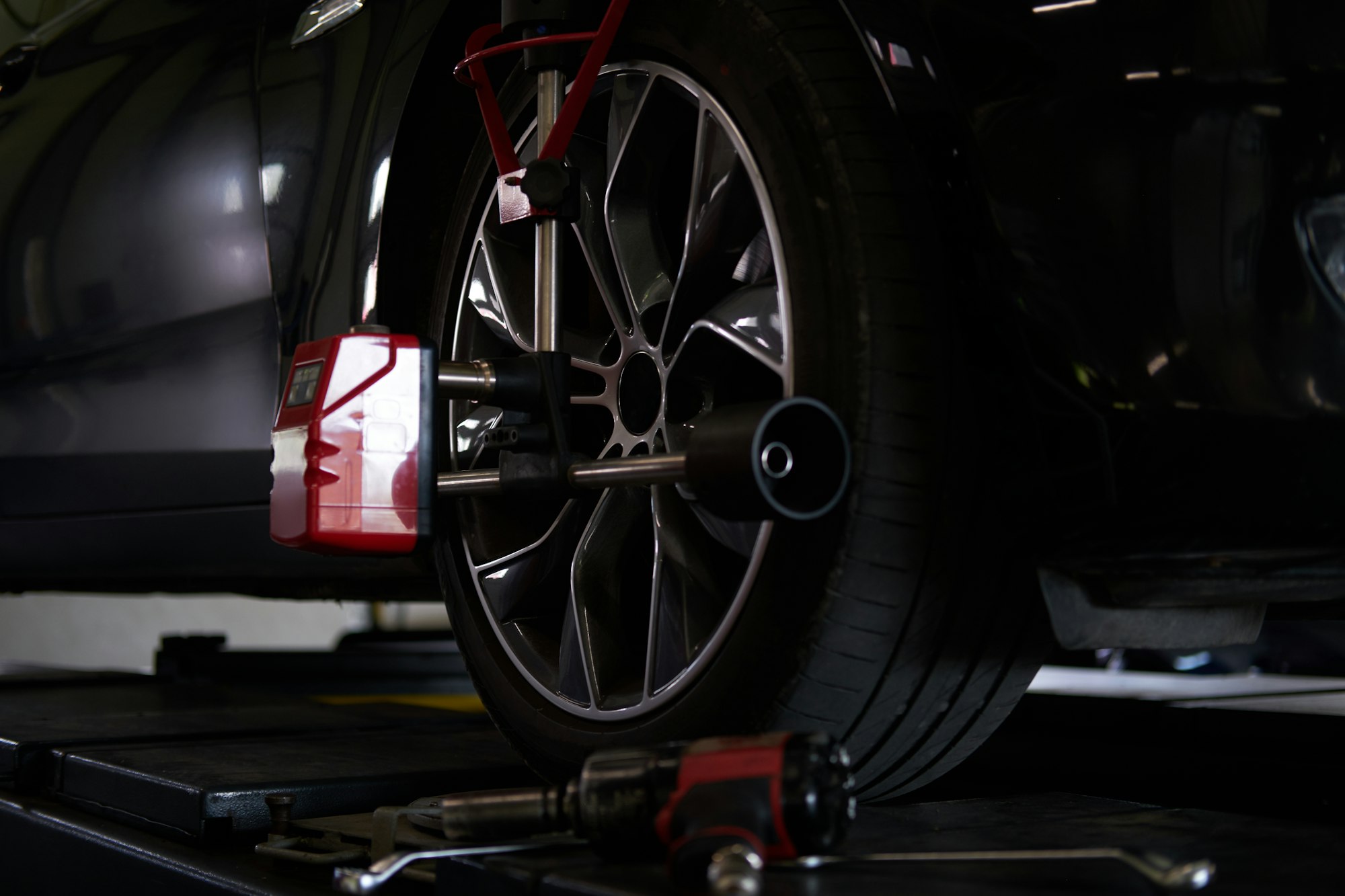
Even moderate impacts can affect vehicle structure. Alignment changes may influence handling, tyre wear, or the fitment of adjacent components.
Restoring structural integrity is essential to maintain safety. Repair methods should focus on returning affected sections as closely as possible to their intended position.
Accurate alignment ensures that repaired vehicles remain dependable during normal road use.
Repairing Exterior Panels
Once inspection and structural correction are complete, damaged body panels are addressed. Depending on severity, technicians may reshape damaged sections or replace panels entirely.
Correct fitment matters significantly. Uneven gaps, poor door closure, or misaligned bumpers may indicate incomplete work. Professional repair standards focus on restoring consistency across all visible sections.
Exterior appearance and functionality should both be considered throughout this stage.
Surface Preparation and Refinishing Standards
Paint restoration begins only after the surface has been properly prepared. This includes cleaning, smoothing, sanding, and priming affected areas before paint application.
Surface preparation is essential for finish quality. Poor preparation can result in visible imperfections, weak adhesion, or reduced durability over time.
Modern colour matching allows repaired areas to blend naturally with the surrounding paintwork, preserving consistent appearance.
Hidden Damage Often Overlooked
One of the most common misconceptions after an accident is assuming that visible damage represents the full extent of the issue.
In reality, internal supports, brackets, alignment points, and surrounding components may also be affected. Hidden damage can compromise vehicle reliability if left unresolved.
Professional inspections help ensure that less obvious concerns are identified before repairs proceed.
Managing Vehicle Condition Properly
Driving a damaged vehicle without proper inspection can create additional complications. Loose panels, exposed surfaces, or shifted components may worsen through everyday use.
Moisture exposure can also lead to corrosion where paint surfaces have been broken. Timely repair helps preserve both condition and usability.
Maintaining proper vehicle condition after an accident protects long term ownership value.
Repair Quality and Long Term Durability
Quick cosmetic correction may improve appearance temporarily, but lasting repair quality depends on proper methods throughout every stage.
Durability relies on structural accuracy, suitable materials, correct surface preparation, and careful finishing. Rushed repairs may become more noticeable with time.
A dependable repair process focuses on lasting restoration rather than immediate appearance alone.
Modern Equipment and Skilled Workmanship
Advancements in repair equipment allow more accurate measuring, alignment correction, and refinishing. However, experienced workmanship remains essential.
Skilled technicians understand how different materials respond to repair techniques and how to achieve consistent outcomes. Technology supports efficiency, but practical expertise remains equally important.
This balance contributes to better long term repair quality.
Preserving Vehicle Value After an Accident
Accident history can affect resale confidence, but professionally completed repairs help reduce negative impact.
Clean panel alignment, consistent paint finish, and dependable vehicle performance support stronger long term value. Poorly repaired vehicles often show visible imperfections that reduce confidence.
Maintaining repair quality helps protect both ownership experience and market presentation.
Common Mistakes Drivers Make
Some drivers delay repairs because the vehicle appears usable. Others focus only on visible cosmetic damage. These decisions can allow deeper issues to worsen.
Professional assessment helps avoid unnecessary complications by identifying the true condition of the vehicle early.
Timely action generally leads to more efficient repair outcomes.
Conclusion
Post accident vehicle repair requires more than cosmetic correction. Inspection, structural restoration, panel repair, refinishing, and quality control all contribute to the final outcome. Professional Non Fault Accident Repairs Essex services focus on restoring safety, usability, and appearance while helping ensure the vehicle returns to dependable condition after an incident.