
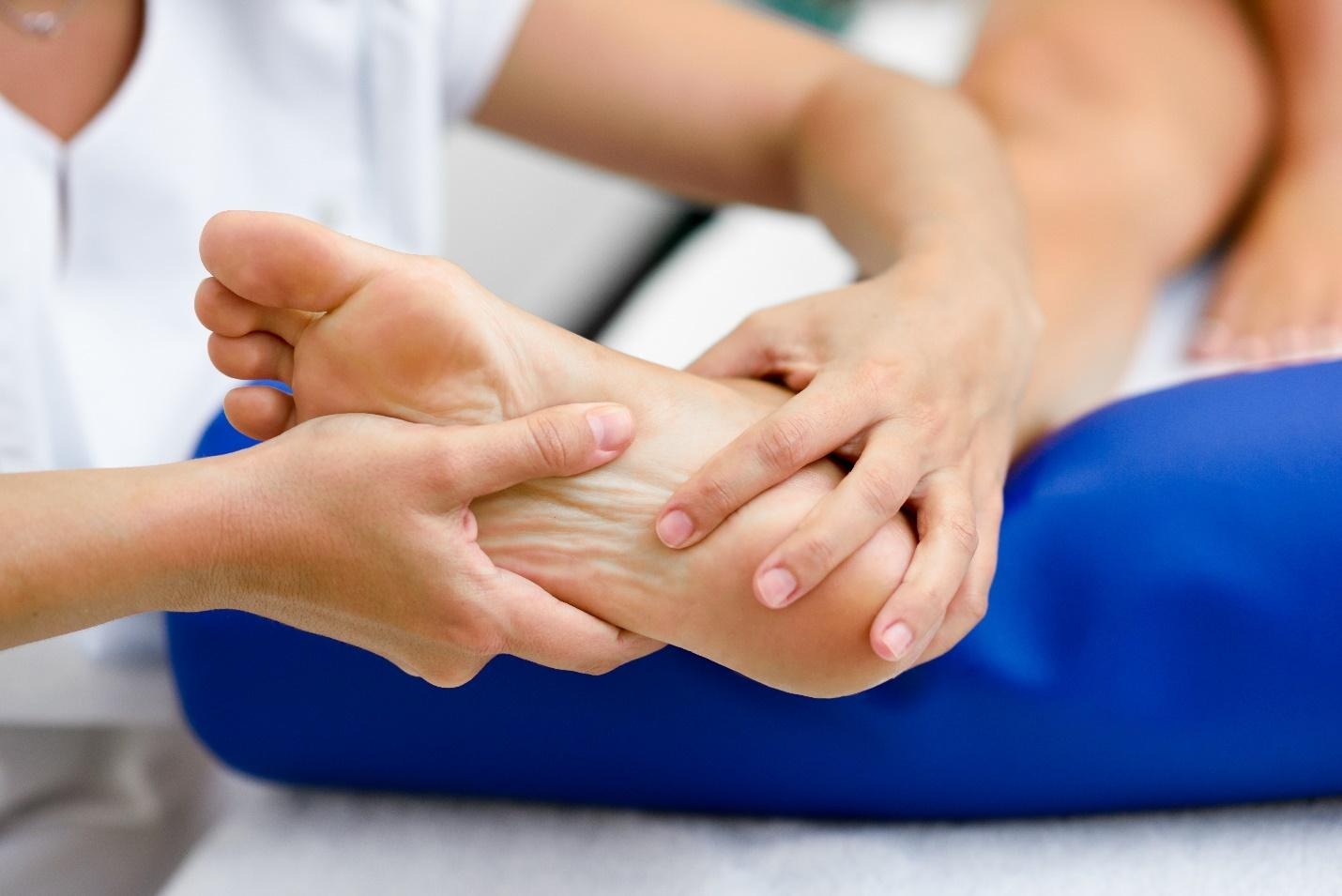
Professional athletes and regular fitness enthusiasts all experience sports injuries. Strains or sprains can easily result from a sudden twist, fall, or overuse. These are injuries that initially may appear to be minor, yet they may deteriorate if they are not treated adequately.
Disregard of pain or early resumption of activity usually postpones the healing process and causes more harm. The correct treatment can aid in decreasing swelling, restoring movement, and preventing chronic complications.
This guide will tell you how to treat sports-related strains and sprains in a safe and effective manner.
Understanding Strains and Sprains
Two types of soft tissue injuries are strains and sprains. A strain is an affliction of muscles or tendons. A sprain involves the ligaments that hold bones together. Both may occur in sudden movement, overstretching, or impact.
They include pain, swelling, bruising, and reduced movement. The understanding of the kind of injury contributes to the selection of the appropriate treatment method.
Emergency First Aid Measures
The initial hours following injury are of great importance. An immediate response minimizes losses and accelerates the recovery process. Elevate the affected area and do not place weight on it. Use ice to lessen swelling. Apply compression using a bandage and raise the area. These simple steps will assist in managing the pain and avoiding worsening of the injury.
Time To Seek a Sports Injury Doctor
Injuries do not necessarily heal themselves. Some require medical attention. When the pain is so great, swelling is noticeable, and motion is painful, it is time to visit a sports injury doctor. Diagnosis early on will prevent the long-term complications and guarantee good treatment.
Medical Evaluation
An adequate assessment assists in determining how serious the injury is. Physical exam and imaging tests may be used by doctors. This assists in determining the severity of injury, mild, moderate, or severe. Proper diagnosis will help in establishing the correct treatment plan to be taken to aid in quick recovery.
Role of Podiatry Specialist
The severity of the injury determines the treatment. Less severe cases can be cured only by rest and physical therapy. More severe injuries might require braces, medication, or structured rehabilitation. In others, specialists in the field of podiatry are employed in case of injury to the feet, ankle, or lower limbs. They are concerned with replacing movement and functioning.
Value of Rest and Physical Therapy
One of the components of healing is rest. It is important to avoid continuing physical activity too soon because it may aggravate the injury. It takes the body time to restore damaged tissues. Slow recovery promotes recovery and prevents re-injury.
Rehabilitation is a way of regaining strength and flexibility. The activities are aimed at enhancing movement without stress. The therapy facilitated by professionals is structured and ensures safe recovery and minimizes the chances of subsequent injuries.
Knowledge of Specialist Care
Complex injuries might require specialized care. Specific treatment plans can be offered by a sports injury doctor. In the case of lower limb injuries, podiatry specialists are concerned with the health of feet and ankles. Their experience will guarantee proper recovery and assist athletes in getting back to activity safely.
